Introduction:
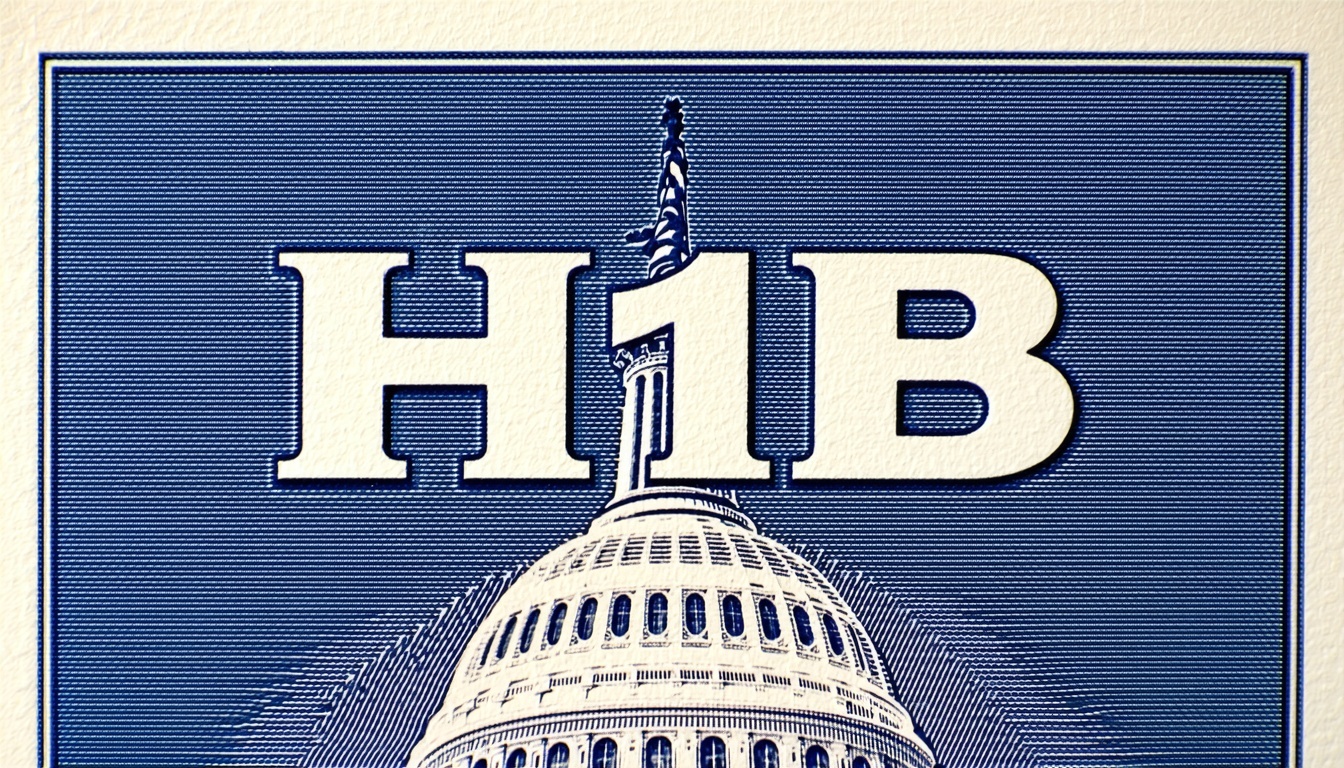
The H1B visa has long been a beacon of hope for international students aspiring to work in the United States. However, the new developments and changes to the H1B visa lottery system have sparked a conversation about its future.
In this blog post, we'll dive into what these changes could mean for international students and how they can prepare for the evolving H1B visa landscape.
H1B Visa Lottery Abuse is Increasing:
Prior to the implementation of the beneficiary-centric H-1B registration system, the lottery process was vulnerable to abuse through multiple registrations submitted on behalf of the same individual. USCIS reported that during the FY 2024 H-1B cap season, some beneficiaries received dozens of registrations from different employers, significantly increasing their chances of selection compared to applicants with only one registration.
These practices raised concerns about the fairness and integrity of the H-1B lottery system, as the number of registrations grew far faster than the number of unique beneficiaries. In response, USCIS introduced the beneficiary-centric selection process beginning with the FY 2025 cap season, ensuring that each beneficiary receives only one entry into the lottery regardless of the number of registrations submitted on their behalf.
The U.S. Department of Homeland Security (DHS) has proposed several reforms aimed at curbing the abuse of the H1B visa process. One significant change is the suggestion that each applicant should only be allowed one lottery slot, with the selection process being tied to the individual's passport rather than multiple registrations. This could be a game-changer for international students, ensuring that their chances are not diminished by those exploiting the system.
-
Crackdown on Consulting Company Practices:
For consulting firms like ICC and CCC, a significant shift is on the horizon. When you're outsourced to a project at another company as a contractor, the H1B application will scrutinize whether your role at the consulting company meets the H1B's specialized skill requirements, rather than the roles at the larger companies sponsoring your visa.
This regulation aims to enforce the principle that the company you work for should be the one to file your H1B. If implemented, it would increase the operational challenges for consulting companies, preventing them from offering multiple lottery entries and then transferring employees to the designated company upon selection.
-
Eliminating the Need for Cap-Gap:
For those on STEM OPT, the waiting game for H1B activation could be over. With the proposed changes, an approved H1B could become effective immediately, without the need to wait until October 1st. The earliest start date could be as soon as April 1st.
-
Preventing Fraudulent Lottery Entries:
The DHS is taking a stand against false lottery entries. The ease of H1B registration in recent years, with a mere $10 fee, a job description, and a degree certificate, has led to a surge in registrations. To combat this, the DHS now proposes that H1B registration should require an employment contract, and applicants must demonstrate that the employment will take place in the U.S., not remotely from overseas.
-
Relaxing Cap-Exempt H1B Requirements:
Non-profit research institutions and universities are set to benefit from a relaxation in cap-exempt H1B requirements. More positions will qualify for cap-exempt H1B applications, and employment with these institutions could open doors to cap-exempt H1B visas, even for non-employees.
-
Broadening Degree Requirements for H1B Positions:
The "Provide more flexibility in the degree" initiative is set to widen the scope of eligible degrees for H1B positions. Jobs that previously required specific degrees will now consider a broader range of disciplines. Positions that only require a bachelor's degree may no longer suffice for H1B eligibility.
The Reform's Impact:
Since its implementation, USCIS has reported a substantial decline in duplicate registrations and a significant reduction in overall H-1B registration volume. For example, the number of eligible registrations fell from 758,994 in FY 2024 to 470,342 in FY 2025, reflecting the effectiveness of the new system in reducing multiple registrations for the same beneficiary.
The reform has helped improve the fairness and integrity of the H-1B lottery by giving each beneficiary an equal opportunity for selection. As a result, many immigration professionals believe the new system has created a more transparent and equitable process for legitimate applicants and sponsoring employers.
What are your thoughts on these changes?
.png?width=600&height=150&name=D1CC%20Logo%20Version%202%20(1).png "Day 1 CPT logo")
.png?width=40&height=40&name=%E6%9C%AA%E5%91%BD%E5%90%8D%E7%9A%84%E8%AE%BE%E8%AE%A1%20(1).png)