Quick Insights:
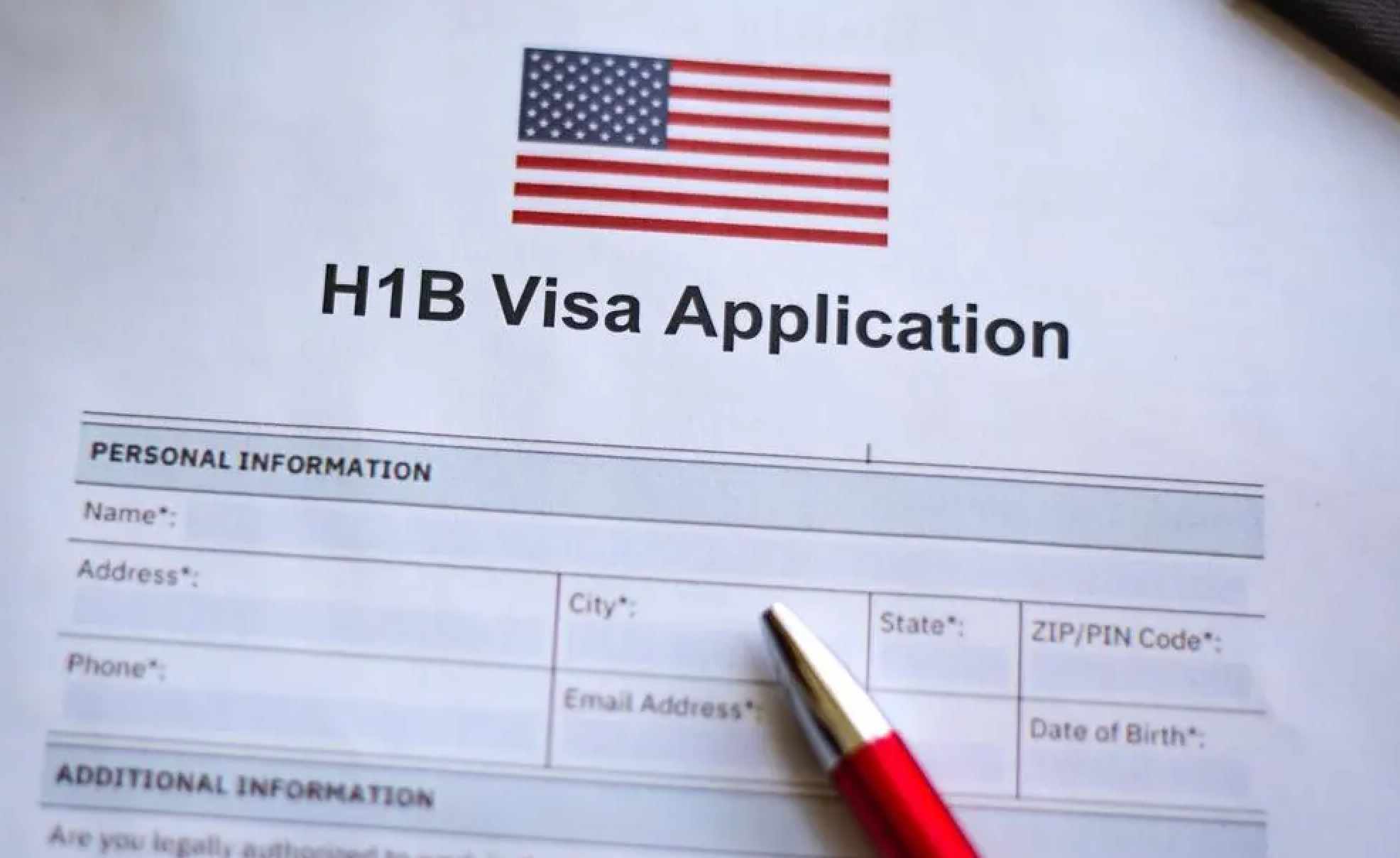
- Finding an employer willing to sponsor an H-1B visa is one of the most important steps for professionals seeking to work in the United States.
- Researching companies with a strong H-1B sponsorship history can significantly improve your chances of securing employment.
- Employer databases, LinkedIn research, professional networking, consulting firms, and U.S. universities are all effective ways to identify H-1B sponsors.
If you're planning to work in the United States, securing an employer willing to sponsor your H-1B visa is often the biggest challenge. Whether you're applying from overseas or already in the U.S. on an F-1, OPT, STEM OPT, or H-4 visa, finding the right sponsor is essential before you can participate in the H-1B lottery and begin the employment-based immigration process.
The good news is that thousands of U.S. employers sponsor H-1B workers every year. By targeting companies with a proven sponsorship history and preparing a strategic job search, you can improve your chances of receiving an H-1B job offer.
Read: What Are the Main Reasons for Immigration to America?
In this guide, we'll explore five practical ways to find H-1B visa sponsors, along with useful resources to help you identify employers actively hiring international professionals.
Note: Since the H-1B program now follows a beneficiary-centric registration process, selection in the H-1B lottery does not guarantee visa approval. Applicants must still meet all USCIS eligibility requirements, and employers must file a complete H-1B petition if selected.
1. Search H-1B Sponsor Databases
One of the easiest ways to identify companies that regularly sponsor H-1B employees is by reviewing publicly available H-1B sponsorship databases. These platforms compile historical USCIS filing data, allowing job seekers to see which employers have sponsored foreign workers in previous years.
Popular H-1B sponsor databases include MyVisa Jobs, H-1B Salary Database, VisaDoor, and U.S. Department of Labor H-1B Disclosure Data.
These resources can help you evaluate:
- Number of H-1B petitions filed
- Approval and denial trends
- Common job titles
- Salary ranges
- Employer locations
If you already know where you'd like to work, narrow your search by state or city. For example, search for H-1B sponsors in California, H-1B sponsors in Texas, or H-1B sponsors in New York to discover employers hiring international professionals in your preferred location.
After creating a shortlist, prioritize companies with a consistent history of sponsoring H-1B workers and positions that closely match your skills and experience.
2. Research Employers on LinkedIn Before Applying
Before submitting your application, spend time researching the company on LinkedIn. This gives you valuable insight into the employer's hiring practices, company culture, leadership, and workforce diversity.
Look for indicators that the company has experience hiring international professionals, such as:
- Employees who previously studied in the United States on F-1 visas
- Team members with international backgrounds
- Recruiters discussing global hiring initiatives
- Job postings mentioning visa sponsorship
You can also identify alumni from your university or professionals with similar career paths. Reaching out for an informational interview or networking conversation may provide valuable insights into the company's recruitment process and sponsorship practices.
Researching employers before applying not only helps you determine whether sponsorship is likely but also prepares you for interviews by giving you a better understanding of the company's values, products, and business goals.
What Companies Accept Day 1 CPT: Convince Your Employer to Support It
3. Consider Boutique Consulting Firms Carefully
Boutique consulting firms can be another pathway to H-1B sponsorship, particularly for professionals working in technology, engineering, or consulting. However, applicants should exercise caution when evaluating smaller firms.
Legitimate employers are responsible for sponsoring eligible H-1B employees. Be cautious of any company that asks you to pay for your own H-1B sponsorship or guarantees visa approval in exchange for payment. These practices may violate U.S. immigration and labor regulations.
Before accepting an offer:
- Research the company's reputation.
- Review its H-1B filing history.
- Read employee reviews.
- Verify that the business is legitimate.
- Speak with current or former employees whenever possible.
Networking can also be valuable. If you know someone working at a boutique consulting firm, ask about the company's sponsorship process and work environment before applying.
4. Apply to Global Consulting Companies
In addition to boutique consulting firms, consider applying to large multinational consulting and technology companies that have an established history of sponsoring H-1B professionals. These organizations often hire international talent for specialized roles in software engineering, cybersecurity, cloud computing, business consulting, data analytics, artificial intelligence, and project management.
Visit each company's careers page to search for open positions that match your qualifications. During the interview process, be prepared to discuss your work authorization requirements and ask whether the employer sponsors H-1B visas for the role.
To strengthen your application:
- Highlight specialized technical or professional skills.
- Demonstrate relevant work experience and certifications.
- Showcase measurable accomplishments on your resume.
- Explain how your expertise aligns with the company's business needs.
Although sponsorship is never guaranteed, applying to employers with a proven sponsorship history can significantly improve your chances.
5. Explore Employment Opportunities at U.S. Universities
Universities are another excellent option for professionals seeking H-1B sponsorship, particularly those interested in research, higher education, healthcare, or academic administration.
One of the biggest advantages of working for a qualifying university or affiliated nonprofit organization is that many of these employers are cap-exempt. Unlike most private employers, cap-exempt institutions can generally file H-1B petitions throughout the year without participating in the annual H-1B lottery.
Common university positions include:
- Research Scientist
- Research Associate
- Professor or Lecturer
- Laboratory Manager
- Data Analyst
- Information Technology Specialist
- Healthcare Professional
- Administrative or Academic Support Roles
While cap-exempt employment offers greater flexibility, it's important to understand that moving later to a cap-subject private employer may require participation in the H-1B lottery unless another exemption applies.
For international students already studying in the United States, universities can be an excellent place to begin building a long-term career while maintaining lawful work authorization.
Companies that Sponsor H-1B Visas
Thousands of employers sponsor H-1B workers each year across industries such as technology, finance, healthcare, manufacturing, engineering, education, and consulting.
Some well-known employers with a history of H-1B sponsorship include:
- Amazon
- Google
- Microsoft
- Apple
- Adobe
- Meta
- JPMorgan Chase
- Tesla
- PayPal
- Intel
- NVIDIA
- Oracle
- Salesforce
- IBM
- Accenture
Keep in mind that an employer's previous sponsorship history does not guarantee sponsorship for every position. Hiring needs, business priorities, and immigration policies can change from year to year.
Instead of focusing only on company names, research whether your target role has historically been sponsored and whether the employer is actively hiring international professionals.
Additional Tips for Finding an H-1B Sponsor
Beyond applying through traditional job boards, consider these strategies to improve your chances of securing sponsorship:
- Build a strong LinkedIn profile highlighting your technical and professional skills.
- Attend career fairs, networking events, and industry conferences.
- Connect with recruiters who specialize in hiring international professionals.
- Tailor your resume to each position you apply for.
- Apply early, especially before the H-1B registration season begins.
- Continue improving your technical skills, certifications, and professional portfolio.
Expanding your job search while building meaningful professional connections can significantly increase your opportunities.
Common Mistakes to Avoid
Many qualified candidates miss H-1B opportunities because of avoidable mistakes.
Avoid these common pitfalls:
- Applying only to companies that do not sponsor visas.
- Waiting until the H-1B registration period to begin searching.
- Paying third parties who promise guaranteed H-1B sponsorship.
- Failing to research an employer's sponsorship history.
- Assuming every multinational company sponsors every position.
- Not discussing work authorization requirements early in the hiring process.
Being proactive and well-informed can help you avoid unnecessary setbacks during your job search.
Frequently Asked Questions
Can I apply for an H-1B visa without an employer?
No. An H-1B petition must be filed by a qualifying U.S. employer on behalf of the foreign worker. Individuals cannot self-petition for an H-1B visa.
How can I find companies that sponsor H-1B visas?
You can research employers using H-1B sponsor databases, LinkedIn, company career pages, and the U.S. Department of Labor's disclosure data. Companies with a history of H-1B sponsorship are generally more likely to sponsor qualified international professionals.
Do all technology companies sponsor H-1B visas?
No. While many technology companies sponsor H-1B workers, sponsorship policies vary by employer, department, and position. Always confirm sponsorship availability during the application process.
Are universities exempt from the H-1B lottery?
Many accredited universities and affiliated nonprofit research organizations qualify as cap-exempt employers, allowing them to file H-1B petitions year-round without being subject to the annual lottery.
Conclusion
Finding an employer willing to sponsor your H-1B visa takes preparation, research, and persistence. By targeting employers with a proven sponsorship history, leveraging professional networking platforms, exploring opportunities with consulting firms and universities, and applying strategically, you can improve your chances of receiving an H-1B job offer.
If you're currently on an F-1 visa, OPT, or STEM OPT and are planning your next immigration step, it's important to begin your job search well before the H-1B registration period opens.
Didn't get selected in the H-1B lottery or still looking for an employer to sponsor your visa? You may have other options to remain in the United States.
Our team can help you explore alternatives such as Day 1 CPT programs and other education-based pathways that may allow you to maintain your legal status while continuing your career.
.png?width=600&height=150&name=D1CC%20Logo%20Version%202%20(1).png "Day 1 CPT logo")
.jpg?width=40&height=40&name=angshu-purkait-pgQ1-bDAkTQ-unsplash%20(1).jpg)